
How to Choose the Correct Castor Wheel for Heavy Loads
When moving heavy equipment, machinery, industrial trolleys, or warehouse carts, choosing the correct castor wheel is critical. The wrong castor can lead to premature wheel failure, damaged floors, poor manoeuvrability, excessive operator strain, and costly downtime.
Heavy duty castors are designed to withstand substantial weight, but not all castor wheels are suitable for every application. Factors such as load capacity, wheel material, floor conditions, operating environment, and wheel diameter all play a major role in performance and longevity.
In this guide, we explain how to select the right castor wheel for heavy loads and avoid the most common mistakes buyers make.
-
Start with Load Capacity
The first and most important step is calculating the total weight your castors must support.
This includes:
- The weight of the trolley or equipment itself
- The maximum load being carried
- Any additional dynamic force caused by movement, turning, or uneven flooring
A common industry recommendation is:
Divide the total load by 3, not 4.
Even on a four-castor trolley, uneven floors often mean only three castors are carrying the load at any one time (link to Load Capacity of Castors | Considerations | Keystone Castors)
Example:
If your trolley weighs 200kg and carries a 700kg load:
Total load = 900kg
900 ÷ 3 = 300kg minimum capacity per castor
In practice, you should always include a safety margin of at least 25%.
For this application, a castor rated around 375kg–400kg would be the safer long-term choice.
- Choose the Right Wheel Material
Different wheel materials behave very differently under heavy loads.
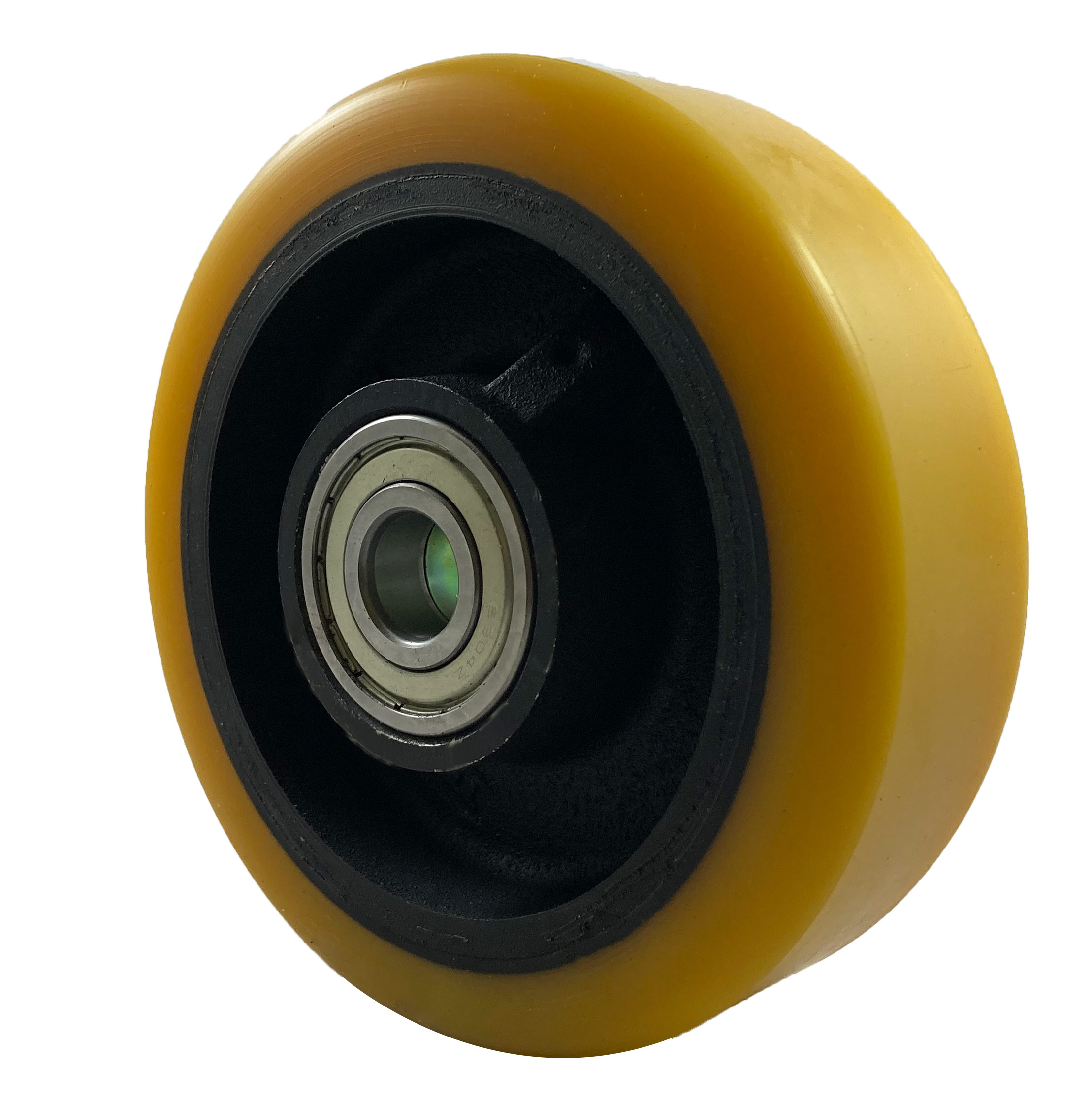
Polyurethane Tyre Wheels (link to Polyurethane Tyre Wheels | Keystone Castors)
Polyurethane is one of the most popular choices for industrial heavy-duty applications because it combines:
- High load capacity
- Quiet operation
- Floor protection
- Excellent wear resistance
Polyurethane wheels generally carry heavier loads than rubber while remaining quieter and gentler on floors than nylon or cast iron.
Best for:
- Warehouses
- Manufacturing plants
- Heavy duty trolleys
- Mobile workstations
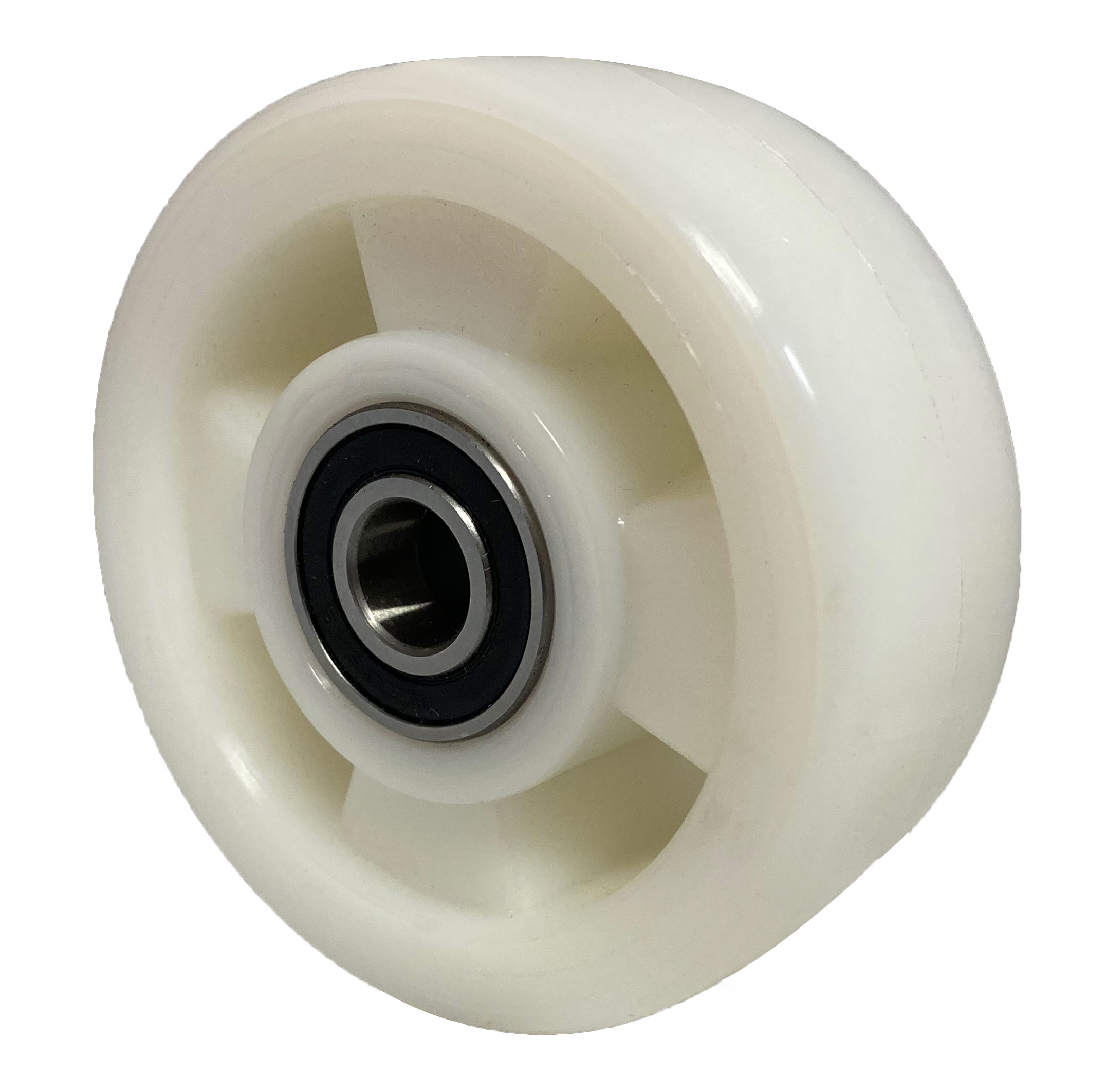
Nylon Castor Wheels (link to Nylon & Polypropylene Wheels | Castor Wheels | Keystone Castors)
Nylon wheels offer:
- Very high load capacity
- Low rolling resistance
- Excellent chemical resistance
However, they can be noisier and harsher on delicate floors.
Best for:
- Heavy industrial environments
- Engineering workshops
- Chemical environments
- Smooth concrete floors
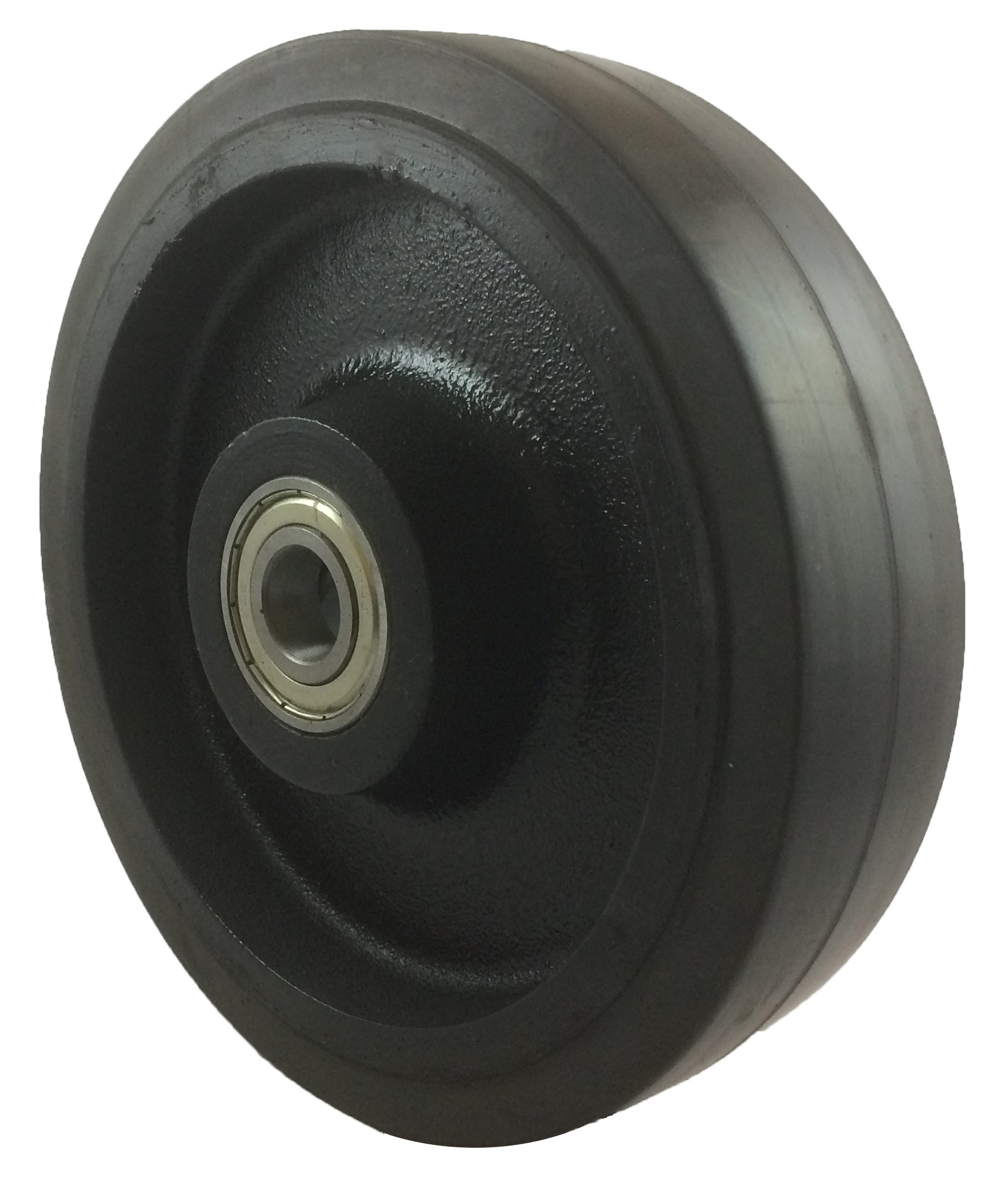
Rubber Tyre Wheels (Link to Rubber Tyre Wheels | Keystone Castors)
Rubber wheels provide:
- Quiet movement
- Shock absorption
- Better grip on uneven surfaces
But they typically have lower load capacities than polyurethane or nylon.
Best for:
- Sensitive flooring
- Noise-sensitive environments
- Mixed indoor surfaces
Cast Iron Wheels (Link to Cast Iron Wheels | Keystone Castors)
Cast iron wheels are extremely strong and resistant to heat and impact, making them suitable for very high-load industrial applications.
Best for:
- Steel fabrication
- High-temperature areas
- Heavy machinery movement
-
Consider the Floor Surface
The type of flooring dramatically affects castor performance.
Smooth Concrete Floors
Polyurethane and nylon both perform well on smooth concrete.
Rough or Uneven Surfaces
Larger diameter polyurethane or rubber wheels help absorb shock and reduce vibration.
Epoxy or Delicate Floors
Soft polyurethane wheels are usually the safest option because they reduce marking and floor damage.
Outdoor Use
Pneumatic or larger elastic rubber wheels cope better with rough outdoor terrain.
The wrong wheel material can increase rolling resistance, operator fatigue, and floor wear.
-
Wheel Size Matters More Than Most People Think
Larger wheels roll more easily and cope better with:
- Floor joints
- Debris
- Uneven surfaces
- Expansion gaps
Smaller wheels may technically support the load, but they often require significantly more force to move.
As a general rule:
- 100mm–125mm wheels suit lighter industrial applications
- 150mm–200mm wheels are common for heavier loads
- Larger diameters improve manoeuvrability and reduce push effort
Heavy duty castors with larger wheel diameters also reduce stress on bearings and brackets over time.
-
Fixed or Swivel Castors?
Swivel Castors (Link to Swivel Castors | Keystone Castors)
Swivel castors rotate 360° for excellent manoeuvrability.
Best for:
- Tight turning spaces
- Warehouse manoeuvring
- Mobile equipment
Fixed Castors (Link to Fixed Castors | Keystone Castors)
Fixed castors only move in a straight line but provide better directional stability.
Best for:
- Long-distance transport
- Heavy platform trolleys
- Controlled straight-line movement
Many heavy-duty trolleys use:
- 2 swivel castors
- 2 fixed castors
This setup balances steering control with manoeuvrability.
-
Don’t Ignore Bearings
Bearing selection affects:
- Ease of movement
- Durability
- Rolling resistance
- Maintenance requirements
Ball Bearings
Ideal for higher speeds and smoother rolling under heavy loads.
Roller Bearings
Excellent for heavy industrial applications.
Plain Bore Bearings
Suitable for lighter or infrequent use.
For continuous industrial operation, ball or roller bearings are usually the better long-term investment.
-
Environmental Conditions Matter
Heavy duty castors must match their environment.
Important considerations include:
- Water exposure
- Chemicals
- Temperature extremes
- Oil and grease
- Corrosive environments
For example:
- Polyurethane performs well in oily environments
- Nylon offers excellent chemical resistance
- Cast iron tolerates high temperatures
- Stainless steel brackets resist corrosion
Environmental suitability has a major impact on service life and safety.
Common Mistakes When Choosing Heavy Duty Castors
Underestimating Load Capacity
One of the most common causes of castor failure.
Choosing Wheels That Are Too Small
Smaller wheels increase push force and struggle on uneven floors.
Ignoring Floor Conditions
Hard wheels on delicate flooring can cause expensive damage.
Focusing Only on Price
Cheaper castors often wear out faster and increase long-term maintenance costs.
Using the Wrong Wheel Material
The wheel material should match both the load and the environment.
Which Heavy Duty Castor Is Right for You?
Here are some common recommendations:
| Application | Recommended Wheel Type |
| Heavy warehouse trolley | Polyurethane |
| Engineering workshop | Nylon |
| Quiet indoor equipment | Rubber |
| High-temperature environment | Cast iron |
| Chemical handling | Nylon or polyurethane |
| Uneven outdoor surfaces | Elastic rubber or pneumatic |
Final Thoughts
Choosing the correct castor wheel for heavy loads is about much more than simply checking weight ratings.
The best heavy-duty castor setup balances:
- Load capacity
- Wheel material
- Floor protection
- Ease of movement
- Environmental resistance
- Long-term durability
Selecting the right castor wheel improves safety, reduces downtime, protects floors, and makes heavy equipment significantly easier to move.
If you are unsure which castor is best for your application, speaking with an experienced castor specialist can help you avoid costly mistakes and ensure you choose the correct solution first time.
Polyurethane Tyre
Black Rubber Tyre
Nylon wheel
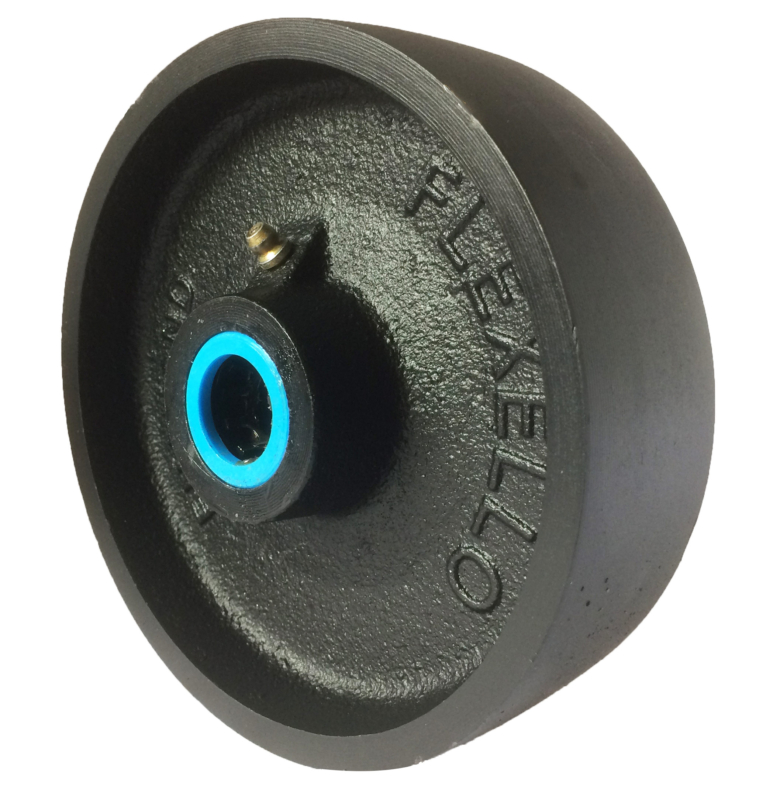
Cast Iron Wheel


 Keystone Castors 2024