

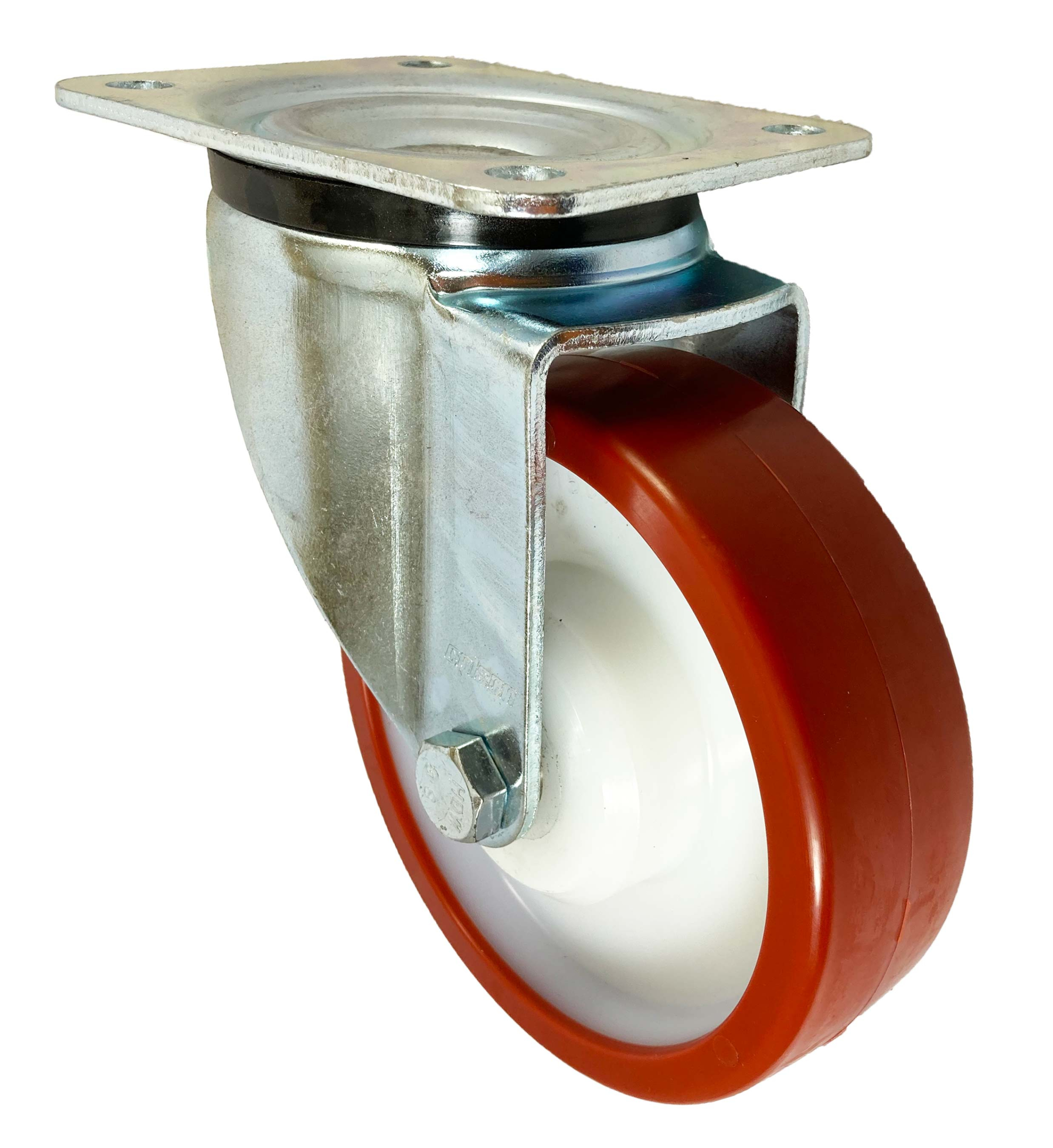
Swivel Castors
Swivel castors provide 360-degree movement for trolleys, workbenches, transport platforms, machinery and material handling equipment. Keystone supplies a wide range of options, including top plate and bolt-hole fixings, bra...ked models, stainless steel designs and heavy-duty wheels for industrial, commercial and specialist applications.How Swivel Castors Work
The swivel head contains ball bearings that allow the castor to rotate smoothly. Swivel castors may use either a single ball race or a double ball race. Double ball race swivel castors are often used for medium duty and heavy duty applications because they provide good steerability, compact construction and reliable performance under static and moving loads.
Swivel Castor Fixing Types
The fixing determines how the castor attaches to your equipment. Common swivel castor fixing types include: Top plate fixing – usually square, rectangular or triangular and bolted directly to the equipment. Single bolt-hole fixing – fitted using a central bolt or stem connection. When choosing a plate-fixing swivel castor, check the plate size, bolt-hole diameter and fixing centres to make sure it matches your equipment.
Braked Swivel Castors
Swivel castors can be supplied with brake options to improve safety and control. Depending on the castor, the brake may lock the wheel, the swivel head or both. For options with integrated brakes, view our braked castors.
Swivel Castor Components
The diagram below shows the main parts of a swivel castor, including the fixing, swivel head, yoke and wheel. Swivel castor components diagram showing fixing, swivel head, yoke and wheel

Swivel Castor Offset
The swivel castor offset is the distance between the swivel axis and the centre of the wheel. This offset allows the castor to trail behind the swivel point and turn in the direction of movement. The offset and wheel diameter determine the swivel radius: Swivel radius = offset + wheel diameter ÷ 2 This measurement shows how much space the castor needs to rotate fully around the vertical axis. In general, a larger offset improves running performance and steering, but may reduce the castor’s load capacity.
Choosing the Right Swivel Castor
Use the filters on this page to compare swivel castors by wheel diameter, load capacity, fixing type, brake option, wheel material and bearing type. If you are unsure which castor is suitable for your application, contact Keystone for technical advice. Read More
- Display 15 Products per page
-
 Out of Stock - On the Way
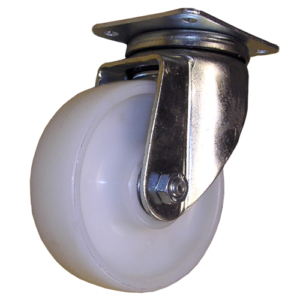
250mm Swivel Castor, 1100kg Capacity | Nylon Wheel, Ball Bearing (KS250NYB1100)
£154.12250mm Top Plate Swivel Castor (Industrial Castor) ... Read Morewith 160x120 Hole Centres. Nylon Wheel with Ball Bearing. Load Capacity = 1100kg -
 Out of Stock - On the Way
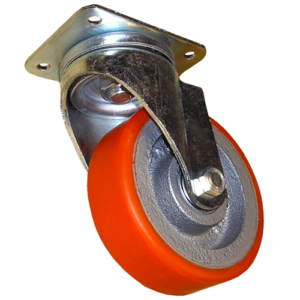
250mm Swivel Castor, 1500kg Capacity | Polyurethane Tyre Wheel, Ball Bearing (KS250PCB1500A)
£237.93250mm Top Plate Swivel Castor (Industrial Castor) ... Read Morewith 160x120 Hole Centres. Polyurethane Tyre / Cast Iron Centre Wheel with Ball Bearing. Load Capacity = 1500kg -
In Stock
300mm Swivel Castor, 1800kg Capacity | Polyurethane Tyre Wheel, Ball Bearing (KS300PCB1800A)
£315.97300mm Swivel Castor with 160x120mm Fixing Bolt Hol ... Read Moree Centres. This heavy duty pressed steel castor comes with a Polyurethane Tyre on a Cast Iron Centre Wheel with Ball Bearings and a load capacity of 1800kg (using manual propulsion at 4km/h) -
 In Stock
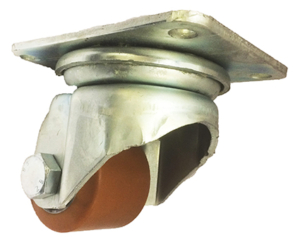
82mm Low Level Swivel Castor, 650kg Capacity | 82mm Polyurethane Tyre Wheel, Ball bearing (KS8270PTB)
£115.8882mm Low Level Top Plate Swivel Castor (Low Level ... Read MoreCastor) with 140x105 Hole Centres. Polyurethane Wheel with Ball bearing. Load Capacity = 650kg

